Mastering The Market: Essential Insights And Strategic Tips For Buying Commercial Property

In the exhilarating world of commercial real estate, opportunities abound for those daring enough to seize them. With trends continuously shaping the market landscape, savvy investors need to stay ahead, armed with the latest insights and strategies. Whether you’re a seasoned pro or a budding investor, mastering the market starts here, where crucial knowledge and creative foresight blend to unlock the potential of commercial properties.
Imagine transforming an ordinary building into a bustling hub of activity or a thriving investment. With the right strategies, you can turn this vision into reality. Dive into our comprehensive guide that not only reveals market secrets but also equips you with the tactical prowess to negotiate deals, assess risks, and harness opportunities like a true expert.
Understanding the Commercial Property Market
In the dynamic world of commercial real estate, astute investors are constantly seeking the pulse of the market, aiming to capitalize on lucrative opportunities. Whether you’re a seasoned investor or a newcomer, understanding the multifaceted landscape of commercial property investment is crucial. Let’s delve into the core aspects shaping this market.
With globalization and technological advancement, the commercial real estate landscape is evolving rapidly. Investors must be aware of the trends, factors, and cycles that define this market to navigate it successfully.
Current Trends in Commercial Real Estate
In today’s commercial property market, several key trends are emerging. The rise of co-working spaces and the increased emphasis on sustainability are reshaping how investors view potential properties. Additionally, the influence of technology is unprecedented, with smart buildings becoming increasingly popular. This trend towards tech-driven properties promises to enhance operational efficiency and tenant satisfaction.
Factors Influencing Commercial Property Valuations
Several elements play a vital role in determining the value of commercial properties. Economic conditions, interest rates, and the property’s location significantly affect valuation.
“Location, location, location” isn’t just a cliché; it’s a fundamental truth in real estate investment.
Furthermore, the income potential of a property, based on current and projected rental income, directly impacts its valuation. Investors must weigh these factors carefully to make informed decisions.
An Overview of Market Cycles and Their Impact on Investment
Commercial real estate is influenced by cycles of expansion, peak, contraction, and recovery.
| Cycle Stage | Characteristics | Investment Strategy |
|---|---|---|
| Expansion | Increased demand, rising rents, and low vacancy rates | Consider acquisition or development opportunities |
| Peak | High property values, potential overbuilding | Focus on asset management and value-add initiatives |
| Contraction | Declining demand, falling rents, increased vacancies | Optimize portfolio, seek distressed asset opportunities |
| Recovery | Improving market conditions, stabilizing rents | Position for growth, leverage strategic acquisitions |
Understanding these cycles allows investors to strategize and align their investments with market conditions effectively.
The Importance of Location in Commercial Property Investment
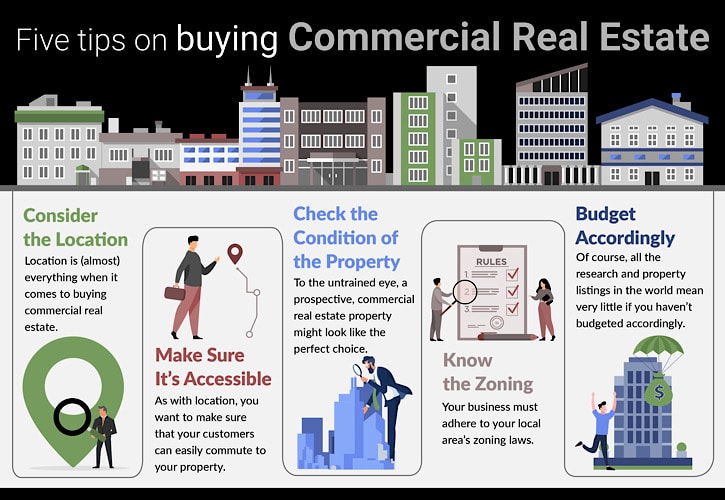
Location is often the most critical factor in commercial property investment. Areas with strong economic growth, accessibility, and thriving industries tend to offer higher returns. Urban centers with robust infrastructure, high foot traffic, and proximity to amenities attract prime tenants and drive property values upward. As such, conducting thorough location analysis can significantly impact the success of an investment strategy.
Strategic Tips for Investment
Embarking on the journey to invest in commercial property can be both exhilarating and challenging. The key to success lies in employing strategic insights and techniques that uncover the gems in the real estate market.
Let’s delve into the critical strategies for identifying lucrative opportunities, evaluating risks, and maximizing returns in the world of commercial property investment.
Strategies for Identifying Lucrative Properties
Finding the right commercial property is akin to discovering a hidden treasure. The first step is to analyze market trends and understand the economic indicators that drive property values upwards. Look for areas where businesses are thriving, infrastructures are developing, and the local economy is robust.
Consider employing location analytics tools to gauge foot traffic and accessibility, as these factors often influence property desirability. Engage with local real estate agents who have a pulse on the market, providing insider insights and exclusive listings that could be potential goldmines.
Assessing Property Potential and Risks
Evaluating a property’s potential goes beyond its initial appeal. It requires a thorough due diligence process that includes financial analysis, zoning laws, and community plans.
- Conduct a SWOT analysis to understand the strengths, weaknesses, opportunities, and threats related to the property.
- Evaluate the property’s physical condition and future maintenance costs through professional inspections.
- Understand tenant dynamics and lease agreements to assess long-term viability.
As a wise investor once said,
“Assessing risks is not about eliminating them but understanding and managing them effectively.”
This mindset will guide you in making sound investment decisions.
Guidelines for Negotiating Deals and Financing Options
Negotiation is an art that requires preparation and strategy. Before stepping into discussions, understand the market value of the property and have a clear budget range. Consider engaging with seasoned negotiators or consultants who can offer valuable advice or even take lead roles in complex negotiations.
In terms of financing, explore diverse options such as traditional bank loans, private lenders, or joint ventures. A comparative approach can be beneficial:
| Financing Option | Pros | Cons |
|---|---|---|
| Traditional Bank Loans | Lower interest rates | Strict approval processes |
| Private Lenders | Flexible terms | Higher interest rates |
| Joint Ventures | Shared risk | Shared profits |
Best Practices for Diversifying Your Portfolio
Diversification is the cornerstone of a robust investment portfolio. It reduces risk exposure and enhances potential returns. Consider expanding into different commercial sectors such as retail, office spaces, industrial properties, or even mixed-use developments.
Ensure your portfolio includes properties in varied geographical locations, which can cushion against regional economic downturns. Regularly review and adjust your portfolio to align with shifting market trends and personal financial goals.
Remember, a successful investor not only aims to accumulate properties but to attain a balanced and resilient portfolio that withstands market fluctuations.
Legal and Regulatory Considerations
Embarking on the journey of purchasing commercial property demands not only financial acumen but also a keen understanding of the legal landscape. Navigating this intricate maze is crucial to ensure a seamless transaction and protect your investment.
Before signing on the dotted line, comprehending the legal requirements is pivotal. These include property inspections, obtaining necessary permits, and adhering to the local and national laws governing property transactions. Arm yourself with knowledge to steer clear of potential pitfalls and regulatory snags.
Essential Legal Requirements for Purchasing Commercial Property
Every commercial property purchase begins with a robust understanding of legal prerequisites. Essential checks include title verification, which ensures the property’s history is free from disputes or liens. Additionally, buyers must conduct environmental assessments to identify any potential hazards or liabilities. Compliance with construction codes and obtaining a valid occupancy certificate are non-negotiable steps that safeguard your investment.
Overcoming Common Regulatory Challenges
Securing commercial property isn’t without its hurdles. Common regulatory challenges include zoning restrictions, which can limit how a property is used, and complex bureaucratic procedures that can stall progress. Solutions often lie in enlisting the expertise of a seasoned real estate attorney who can navigate these waters and offer strategic advice tailored to your specific situation. Moreover, staying informed about local regulations can preemptively address potential obstacles.
The Role of Zoning Laws and Compliance
Zoning laws are the gatekeepers of land use, dictating what can and cannot be done on a piece of property. Understanding these laws is pivotal, as they influence everything from the property’s value to its functional potential. Compliance isn’t merely a matter of regulation; it’s a strategic necessity. Ensure that any intended use of the property aligns with current zoning regulations to avoid future legal entanglements.
Contract Negotiation and Due Diligence Procedures
Mastering the art of contract negotiation requires a blend of strategy and foresight. A well-drafted contract is your shield against potential disputes. Key elements to scrutinize include terms of sale, payment schedules, and contingencies for unforeseen circumstances. Due diligence isn’t just a formality; it’s a rigorous investigation into the property’s legal standing, financial health, and compliance with existing regulations. This process is your opportunity to identify any red flags before proceeding further.
Financial Analysis and Investment Evaluation
Diving into the world of commercial real estate investment demands a solid grasp on financial analysis. Like a seasoned sailor navigating the open seas, understanding the financial landscape ensures your journey is both exciting and profitable.
Being able to dissect financial information is the linchpin to making informed decisions in commercial property investments. Let’s unravel the intricacies of financial analysis and propel your investment acumen to new heights.
Methods for Conducting Financial Analysis of Commercial Property
Financial analysis begins with collecting data. This involves examining income statements, balance sheets, and cash flow statements, all crucial in providing a snapshot of the property’s current financial health. Using relevant metrics such as Net Operating Income (NOI) and Capitalization Rate (Cap Rate) allows you to measure the property’s potential return. Armed with these insights, investors can predict future performance and assess risks effectively.
A Step-by-Step Guide to Calculating Return on Investment (ROI)
ROI is the compass that directs investors towards lucrative opportunities. To calculate this vital indicator, follow these steps:
- Determine the total revenue generated by the property.
- Subtract all operating expenses to find the net operating income (NOI).
- Divide the NOI by the total investment cost to gauge the ROI.
Calculating ROI isn’t just about numbers—it’s about understanding the broader picture of your investment’s efficiency and effectiveness.
Comparison of Different Financing Options and Their Implications
Choosing the right financing option is akin to selecting the perfect tool for a job—it can make all the difference. Here’s a comparative view of popular financing options:
| Financing Option | Interest Rate | Flexibility | Risk Level |
|---|---|---|---|
| Traditional Bank Loan | Low to Moderate | Low | Low |
| Private Lenders | High | High | Moderate to High |
| SBA Loans | Low | Moderate | Low |
Each financing method, from traditional bank loans to private lenders, carries its own set of pros and cons. Understanding these can help tailor your strategy to your financial goals.
The Significance of Understanding Cash Flow and Profit Margins
Cash flow and profit margins are the heartbeats of any investment. Ensuring positive cash flow means your property generates enough income to cover its expenses, while healthy profit margins indicate robust financial health. As the old adage goes,
“Revenue is vanity, profit is sanity, but cash is king.”
This underscores the need for investors to focus not only on profits but also on maintaining a steady flow of cash to sustain long-term growth.
Property Management and Maintenance
Effective property management is the backbone of successful commercial real estate investment. It’s not just about keeping the lights on; it’s about creating a thriving environment where businesses flourish.
Crafting a comprehensive management plan is crucial for ensuring that your commercial property not only retains its value but also becomes a sought-after location for prospective tenants.
Crafting a Comprehensive Property Management Plan
Developing a cohesive management plan is akin to constructing a blueprint for success. This involves a multifaceted approach that encompasses everything from routine maintenance schedules to strategic enhancements. Start by conducting regular property assessments to identify areas that require immediate attention, and prioritize tasks based on urgency and impact. Also, establish a detailed financial plan covering repairs, upgrades, and unexpected expenses.
Strategies for Maintaining Property Value and Tenant Satisfaction
Preserving the allure and value of your property requires a proactive strategy. Address repairs promptly and invest in quality upgrades that boost aesthetic appeal and functionality. Engage regularly with tenants to understand their needs and foster strong landlord-tenant relationships. A happy tenant is more likely to renew leases and recommend the property to others.
The Role of Technology in Property Management
In today’s digital age, technology plays a pivotal role in streamlining property management tasks. Implementing property management software can enhance efficiency by automating rent collection, maintenance scheduling, and communication with tenants. Utilize smart building technologies to improve energy efficiency and reduce operational costs.
Embracing technology is not just a trend; it’s a necessity for modern property management.
Tips for Hiring and Working with Property Management Companies
Choosing the right property management company can make a significant difference in your property’s success. Look for a firm with a proven track record in managing similar properties. During selection, consider their approach to tenant relations, maintenance protocols, and financial management. Establish clear expectations and maintain open communication to ensure a harmonious partnership. For those who prefer a hands-on approach, frequent check-ins and reviews can help align goals and strategies.
Future Trends and Emerging Opportunities
In the ever-evolving landscape of commercial real estate, understanding future trends and emerging opportunities is crucial for investors. The horizon is filled with innovations and shifts that promise to redefine the industry.
Keeping a keen eye on these changes not only provides a competitive edge but also opens doors to lucrative investment prospects. As we delve into the intricacies of future trends, let’s explore the avenues poised to transform commercial property dynamics.
Revolutionizing with Technological Advancements
Technology is the catalyst propelling change in the commercial real estate sector. Automated processes, data analytics, and smart building technologies are not just trends; they are becoming the norm.
“Adaptation to these technologies is not optional but essential for sustained success.”
For instance, the integration of IoT (Internet of Things) in building management systems enhances operational efficiency by optimizing energy usage and predicting maintenance needs.
Moreover, Virtual Reality (VR) and Augmented Reality (AR) offer immersive viewing experiences, enabling potential investors to explore properties without physical presence. Blockchain technology is another game-changer, promising transparency and security in transactions, which are paramount in large-scale investments.
Emerging Markets and Investment Opportunities
As traditional markets reach saturation, emerging markets present compelling opportunities for commercial property investment. Regions such as Southeast Asia and sub-Saharan Africa are witnessing rapid urbanization, leading to an increased demand for commercial spaces.
- High-growth potential in fast-developing cities
- Favorable government policies encouraging foreign investment
- Diverse sectors like logistics, retail, and office spaces
Investors eyeing these markets can capitalize on lower entry costs and the potential for high returns, especially as urban infrastructure continues to expand.
Impact of Sustainability and Green Building Practices
As awareness about climate change grows, sustainability is no longer just an option but a necessity in commercial real estate. Green building practices not only reduce environmental impact but also offer economic benefits in the form of tax incentives and reduced operating costs.
Properties with certified sustainability ratings are increasingly attractive to investors and tenants alike.
| Traditional Buildings | Green Buildings |
|---|---|
| Higher energy consumption | Energy-efficient systems |
| Limited natural light | Optimized daylight usage |
As sustainable practices become standardized, properties that align with these values will likely see increased valuation and demand.
Final Summary
As you embark on your journey in the commercial property realm, remember: the key to success lies in understanding the ever-evolving market and adapting to its challenges. By implementing strategic insights and staying informed, you can transform potential setbacks into stepping stones for growth. Embrace the future of commercial real estate with confidence and creativity, and watch as your investments flourish beyond your wildest dreams.
