Foreclosures Near Me: Your Comprehensive Guide To Understanding, Finding, And Evaluating Properties

Imagine stepping into a world where incredible real estate opportunities are right at your fingertips. Foreclosures could be your ticket to securing properties at prices you’ve only dreamed of. But, where does one begin? Welcome to your ultimate guide, where unlocking the potential of foreclosures is just the beginning of your property journey.
Dive deep with us as we unravel the complexities of the foreclosure process, from its inception to its conclusion. With our creative strategies, you’ll discover how to navigate the market, evaluate properties effectively, and make savvy investments. This guide isn’t just about buying properties; it’s about transforming the way you think about real estate opportunities!
Understanding Foreclosures
Foreclosures can be a gateway to affordable property investments, but understanding their complexities is essential before diving in. This guide will unravel the intricacies of the foreclosure process, types, and trends.
Foreclosures occur when a homeowner is unable to make mortgage payments, leading to the lender taking ownership of the property. This process is intricate and varies depending on the type of foreclosure and jurisdiction. Let’s explore the journey from start to finish.
The Foreclosure Process: Start to Finish
The foreclosure process begins with missed payments and ends with the sale of the property. It’s a multi-step journey filled with legal considerations and opportunities for both the lender and potential buyers.
| Stage | Description |
|---|---|
| Payment Default | Occurs when the borrower misses one or more mortgage payments. |
| Notice of Default (NOD) | A formal notice filed by the lender indicating the borrower is in default. |
| Pre-Foreclosure | The borrower has a chance to pay off debts or negotiate new terms to avoid foreclosure. |
| Auction | If unresolved, the property is auctioned to the highest bidder. |
| Real Estate Owned (REO) | If unsold at auction, the property becomes the lender’s asset to sell. |
Types of Foreclosures
Foreclosure isn’t a one-size-fits-all process. Depending on the state and the loan agreement, the approach can vary significantly. Understanding these differences is crucial for evaluating potential investments.
- Judicial Foreclosure: A court-supervised process ensuring the borrower’s rights are protected.
- Non-Judicial Foreclosure: A faster process often detailed in the mortgage agreement, avoiding the court system.
- Strict Foreclosure: Less common, where the court orders the borrower to pay the mortgage or lose the property.
Historical Trends in U.S. Foreclosures
The history of foreclosures in the U.S. highlights the ebb and flow of economic conditions. From the Great Depression to the 2008 financial crisis, each wave of foreclosures tells a story of economic shifts and housing policies.
“Foreclosures reflect not just individual financial struggles, but broader economic realities.”
Historically, foreclosure rates have seen spikes during economic downturns and housing market crashes, often followed by periods of recovery and regulation adjustments.
Comparing Foreclosures with Other Property Acquisition Methods
Foreclosures are just one avenue for acquiring properties. Comparing them with traditional purchases and short sales can help determine the best strategy for your investment goals.
Unlike traditional purchases, foreclosures often come with unique risks and rewards. They may require more due diligence, but the potential for acquiring properties below market value is a significant draw.
Finding Foreclosure Listings
Embarking on the journey to find foreclosure listings can be both thrilling and daunting. To successfully navigate this maze, it’s crucial to equip yourself with the right resources and strategies.
With a multitude of platforms and sources, uncovering these hidden treasures has never been easier. However, it’s essential to ensure you’re exploring trustworthy avenues to protect your investment.
Reliable Sources and Platforms for Foreclosure Listings
Before diving into the world of foreclosures, it’s important to know where to look. Authorized government websites, like the HUD Home Store, offer verified listings directly from banks and government agencies. Another great resource is MLS (Multiple Listing Service), accessed through a licensed realtor, providing a comprehensive snapshot of available properties.
- Realtor.com – Offers a robust search feature specifically for foreclosures.
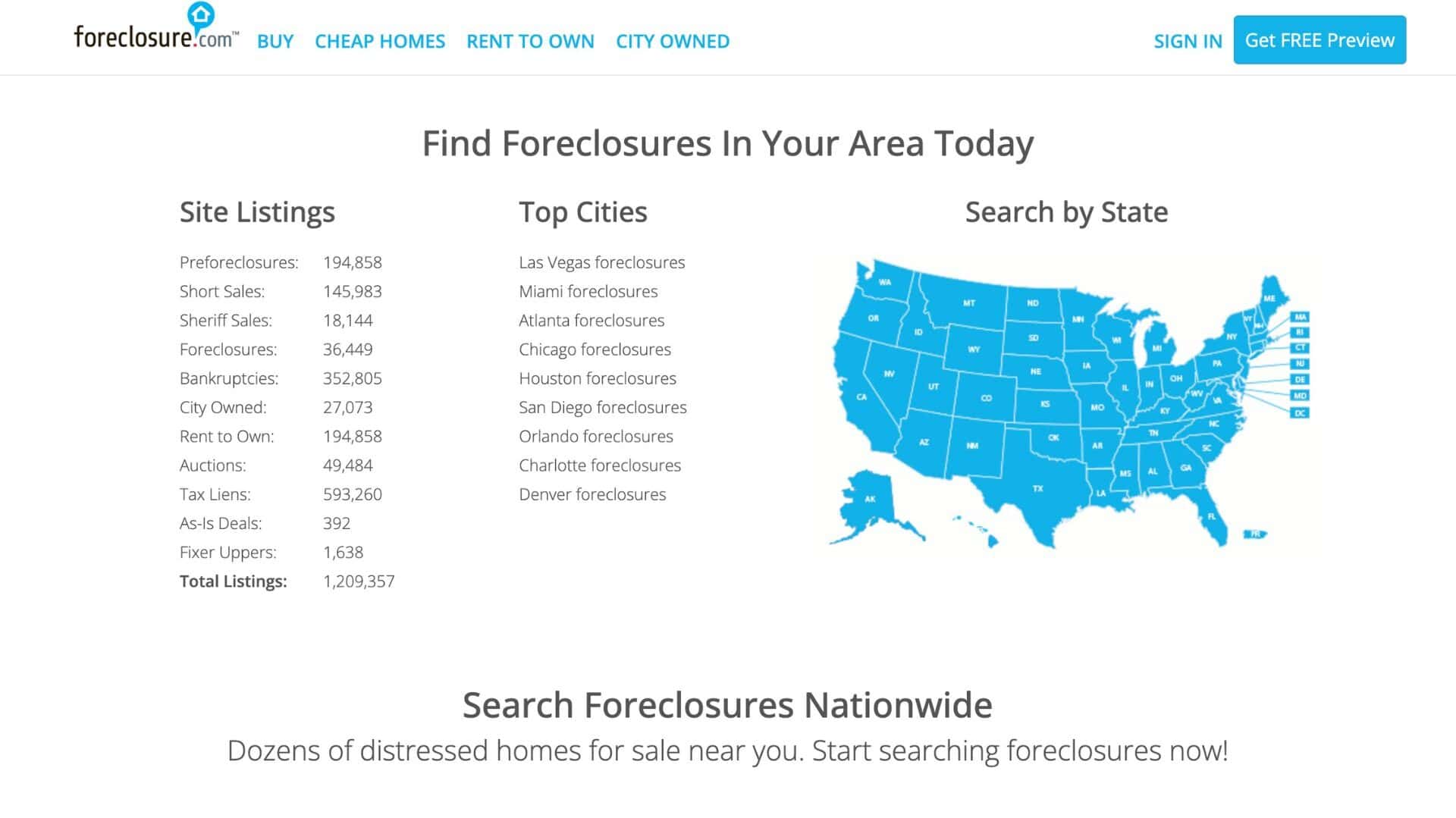
- Foreclosure.com – A dedicated platform with the latest listings updated daily.
- Bank Websites – Many banks offer direct listings of foreclosures on their official sites.
- Local Newspapers – Sometimes overlooked, these can be goldmines for local listings.
Methods to Verify the Authenticity of Foreclosure Listings
Ensuring the authenticity of foreclosure listings is paramount.
“Trust but verify”
should be your guiding motto. Start by cross-referencing the listing with official records available at your local county office. Many counties have online databases where you can check the property’s foreclosure status.
- Verify the property with the county’s public records.
- Check for the listing on multiple reputable platforms.
- Consult with a verified real estate agent specializing in foreclosures.
Setting Up Alerts for New Foreclosure Listings
Stay ahead of the game by setting up alerts for the latest foreclosure listings. Automated alerts ensure you never miss an opportunity. Here’s how you can set them up:
- Choose Your Platforms: Select reliable platforms like Zillow or RealtyTrac.
- Create an Account: Register to access full features, including alerts.
- Set Your Criteria: Define your search preferences such as location, price range, and property type.
- Enable Notifications: Opt in to receive timely updates directly to your email or phone.
Local Real Estate Agencies Specializing in Foreclosures
Partnering with seasoned professionals can make your foreclosure search seamless. Here is a list of local real estate agencies recognized for their expertise:
- Foreclosure Specialists LLC – Known for their extensive network and market insights.
- Sunrise Realty – Offers personalized services and a deep understanding of the local market.
- Metro Property Experts – Renowned for their strategic approach and successful track record.
Evaluating Foreclosure Properties
Diving into the world of foreclosures is akin to a treasure hunt, where opportunities abound, but only for those who know what to look for. Evaluating foreclosure properties requires a keen eye and a strategic mindset to uncover the hidden gems.
When evaluating a foreclosure property, several factors come into play that will determine whether it’s a diamond in the rough or a potential money pit. Considerations such as location, structural integrity, and market value are paramount in making an informed decision.
Key Factors to Consider in Evaluation
Before making any decisions, it’s crucial to weigh the location of the property. A prime location can significantly enhance the property’s value, ensuring a profitable investment. Equally important is the property’s structural integrity. Signs of neglect or damage could indicate costly repairs in the future. Finally, market value gives a snapshot of the property’s worth compared to others in the vicinity, aiding in determining a reasonable purchase price.
“The true value of a foreclosure property lies not just in its price, but in the potential it holds for the savvy investor.”
Checklist for Inspecting Properties in Foreclosure
Embarking on an inspection requires a thorough approach. Here’s a checklist to guide your evaluation process:
- Exterior: Check for signs of wear and damage such as cracked foundations or missing shingles.
- Interior: Look for water damage, mold, or outdated systems that might need replacement.
- Utilities: Ensure all utilities are functioning and assess the age of the systems.
- Neighborhood: Evaluate the condition of surrounding properties and amenities.
- Legal Issues: Check for liens, unpaid taxes, or other legal encumbrances.
Estimating Repair and Renovation Costs
Understanding the cost of repairs and renovations is crucial for estimating the overall investment required. Begin with a detailed assessment of the property’s condition. Prioritize essential repairs such as structural issues or system updates, as these can have the biggest impact on value.
Here’s a simplified approach to estimate costs:
| Repair Type | Estimated Cost |
|---|---|
| Roof Repair | $5,000 – $10,000 |
| Plumbing System | $3,000 – $8,000 |
| Electrical System | $2,000 – $5,000 |
| Interior Renovation | $10,000 – $30,000 |
“Accurate repair estimates are the backbone of any successful foreclosure investment strategy.”
Financing Foreclosure Purchases
Embarking on the journey to purchase a foreclosure property can be thrilling yet complex, particularly when it comes to financing. Understanding your options will help you navigate the process with confidence and clarity.
Financing foreclosures requires a slightly different approach compared to traditional home buying. It’s crucial to know the available mortgage options, their benefits, and potential drawbacks.
Mortgage Options for Foreclosure Properties
When financing a foreclosure purchase, you have several mortgage options to consider. Each has its advantages and disadvantages, making it important to choose one that aligns with your financial situation and goals. Here’s a closer look:
- Conventional Loans: These loans typically require a higher credit score and a substantial down payment. However, they offer competitive interest rates and flexible terms.
- FHA Loans: Backed by the Federal Housing Administration, FHA loans are more accessible with lower credit score requirements and smaller down payments. They are ideal for first-time homebuyers.
- VA Loans: Available to veterans, active-duty service members, and their families, VA loans are one of the most favorable options, with no down payment and competitive interest rates.
- 203(k) Loans: Perfect for properties in need of serious repairs, these loans bundle the cost of the property with renovation expenses.
Comparing Interest Rates and Loan Terms
It is essential to understand how different loans stack up against each other. Here is a comparison of interest rates and loan terms:
| Loan Type | Interest Rate (Approx.) | Loan Term |
|---|---|---|
| Conventional | 3.5% – 5% | 15 to 30 years |
| FHA | 2.5% – 4% | 15 to 30 years |
| VA | 3% – 4.5% | 15 to 30 years |
| 203(k) | 3.5% – 5% | 15 to 30 years |
Improving Credit Scores for Better Financing
Securing better financing is often tied to having a strong credit score. Here are some actionable tips to boost your credit score:
- Pay your bills on time to establish a solid payment history.
- Reduce your debt-to-income ratio by paying down existing debts.
- Avoid opening new credit lines shortly before applying for a mortgage.
- Regularly check your credit report for inaccuracies and dispute any discrepancies.
“The key to a successful foreclosure purchase is not just finding the right property, but also securing the best possible financing.”
Legal Considerations and Risks
When it comes to purchasing foreclosure properties, understanding the legal landscape is crucial. Navigating through the complexities of legalities can help you avoid potential pitfalls and safeguard your investment.
Legal risks are often hidden beneath the appealing price tags of foreclosure homes. To ensure a successful purchase, it’s essential to address these risks head-on and arm yourself with the necessary knowledge.
Overview of Legal Risks in Foreclosure Purchases
Buying a foreclosed property can come with a unique set of legal challenges. Some of these may include issues with the property’s title, outstanding liens, and potential lawsuits from previous owners. It’s paramount to perform due diligence to mitigate these risks effectively.
- Title Issues: Foreclosure properties may carry unresolved title issues that can transfer to the new owner.
- Outstanding Liens: Properties might have existing liens for unpaid taxes or utility bills that need to be cleared.
- Litigation Risks: Previous owners might contest the foreclosure, dragging new buyers into legal disputes.
- Property Condition: Legal liabilities may arise from undisclosed damage or environmental hazards.
Ensuring a Clear Title Before Purchase
Securing a clear title is a critical step in any real estate acquisition, especially with foreclosures. A title search will reveal any claims or encumbrances on the property, ensuring you receive full ownership without unexpected surprises.
- Conduct a Title Search: Engage a title company to perform a comprehensive search to uncover any hidden liens or claims.
- Purchase Title Insurance: Protect yourself against future disputes or claims with a robust title insurance policy.
- Consult Legal Experts: Work with a real estate attorney to review the title report and provide legal advice.
Understanding State-Specific Foreclosure Laws and Regulations
Foreclosure laws can vary significantly from one state to another, affecting how properties are foreclosed and sold. Knowing the specific regulations in your state can prepare you for any particular requirements or procedures.
| State | Foreclosure Process |
|---|---|
| California | Non-judicial, typically completed in 120 days. |
| Florida | Judicial, often taking 180 days to 2 years. |
| Texas | Non-judicial, generally finalized within 60 days. |
“Foreclosure laws are not one-size-fits-all; understanding your local regulations is key to a smooth transaction.”
Before diving into a foreclosure purchase, familiarize yourself with the relevant state laws to steer clear of legal entanglements and ensure a seamless buying process.
Strategies for Successful Investment
Diving into the world of foreclosure investments can be a treasure hunt, offering hidden gems at every turn. The key to unlocking these opportunities lies in strategic preparation and savvy negotiations.
By honing your negotiation skills and learning from past success stories, you can transform even the most challenging properties into lucrative assets. Here’s how you can make the most of your foreclosure investments.
Crafting Winning Negotiation Strategies
Negotiating favorable terms in foreclosure deals can often be the difference between a good investment and a great one. To maximize your potential returns, consider these strategies:
- Start with a thorough market analysis to understand the property’s potential value.
- Build a rapport with sellers to gain insights into their needs and motivations.
- Be prepared to walk away; confidence can often lead to more favorable terms being offered.
- Utilize contingencies and inspection clauses to safeguard your investment.
Examples of Successful Foreclosure Investments
Learning from others’ experiences can offer invaluable insights. Consider these inspiring examples:
“A savvy investor turned a dilapidated house into a flourishing rental by focusing on location and potential rather than current condition.”
This investor’s success was rooted in seeing beyond the present state of disrepair to the property’s location and eventual appeal to renters.
Long-term Investment Strategies for Foreclosures
Looking beyond immediate gains, long-term strategies can ensure sustained profits. Implement these approaches to set the stage for ongoing success:
- Embrace diversification by investing in foreclosures across different regions.
- Consider property management services to maintain quality and enhance tenant satisfaction.
- Stay informed about local market trends to anticipate changes and adjust your strategy accordingly.
Maintaining and Managing a Foreclosure Property
Once you’ve acquired a foreclosure property, maintaining and managing it efficiently can make a significant impact on your returns. Develop a solid plan that includes:
- Regular Maintenance: Conduct periodic inspections to address any issues promptly.
- Tenant Relations: Foster a positive relationship with tenants to encourage long-term occupancy.
- Financial Management: Keep track of expenses and create a budget to maximize profitability.
| Strategy | Benefit |
|---|---|
| Regular Maintenance | Prevents costly repairs and maintains property value. |
| Tenant Relations | Ensures steady rental income through tenant retention. |
| Financial Management | Optimizes investment returns by controlling costs. |
Closure
As you’ve journeyed through this comprehensive guide, you’re now equipped with the knowledge to turn foreclosures from a daunting concept into a profitable venture. With the right approach and strategic planning, you’ll not only find but also thrive in the world of foreclosures. Embrace the challenge, seize the opportunity, and let your real estate dreams soar!
