Are you eager to turn your property into cash, without the lengthy waiting game? Welcome to your ultimate guide on selling homes swiftly and lucratively. Dive into the intricate world of real estate, where the right strategies can transform your ‘For Sale’ sign into a ‘Sold’ one in record time. This isn’t just about selling; it’s about mastering the art of a profitable and quick home sale.
In this fast-paced market, understanding the nuances and deploying expert techniques can make all the difference. From setting the perfect price to crafting an irresistible online presence, we’re here to transform your selling journey into a seamless and successful experience. Let’s unlock the secrets to selling your house faster than you ever imagined!
Understanding the Real Estate Market
The real estate market is a dynamic entity, always in flux and influenced by a myriad of factors. To sell a house quickly and profitably, it’s crucial to understand these market forces and trends.
From urban to suburban landscapes, each sector presents its unique set of challenges and opportunities that can drastically impact your selling strategy.
Current Real Estate Market Trends
The current real estate market is characterized by low inventory levels and high buyer demand, driving up prices and reducing the time homes stay on the market. This environment is favorable for sellers looking to sell quickly, as competitive bidding often occurs. However, sellers must also be aware of rising mortgage rates, which could affect buyer affordability and the pool of potential buyers.
Factors Influencing Property Values and Demand
Several factors can influence property values and demand, including location, economic conditions, and interest rates. Urban areas often experience higher demand due to their proximity to amenities and job markets, but this may also lead to higher competition. Conversely, suburban areas offer more space and often more affordable pricing, appealing to families and remote workers.
| Market Type | Speed of Sale | Profitability |
|---|---|---|
| Urban | Fast | High, but competitive |
| Suburban | Moderate | Stable, with growth potential |
Urban vs. Suburban Home Sales
Home sales in urban areas tend to close more quickly due to the high density of potential buyers and the convenience of city living. However, this often comes with increased competition from other sellers and developers. On the other hand, suburban markets may offer a slower pace, but with less competition and potentially higher profit margins due to rising trends in remote work and lifestyle changes.
Historical Context of Market Fluctuations
A glance at historical real estate trends reveals that market cycles play a crucial role in determining the best times to buy or sell. Economic downturns, such as the 2008 financial crisis, significantly slowed home sales and decreased property values. In contrast, periods of economic growth often result in
booming markets
, with increased sales speed and profitability. Understanding these cycles can help sellers strategize the most advantageous time to list their properties.
Preparing Your Home for Sale
Getting your home ready for sale is more than just tidying up; it’s about setting the stage for potential buyers to envision their future. These strategies will ensure your house is not only market-ready but also irresistible to buyers.
By focusing on strategic staging, necessary repairs, and boosting curb appeal, you can significantly enhance your home’s value and appeal, making it the prime choice for buyers in a competitive market.
Steps for Staging a Home to Enhance Appeal
Staging your home effectively can create an inviting atmosphere that captivates potential buyers. Begin by decluttering and depersonalizing the space, allowing buyers to imagine their own story unfolding within its walls. Arrange furniture to highlight the functionality of each room and use neutral colors to create a versatile backdrop. Incorporate strategic lighting to add warmth and showcase desirable features. Remember, the goal is to provide a clean, stylish canvas that buyers can easily envision as their own.
Essential Repairs Before Selling
Undertaking necessary repairs is crucial in presenting your home as a well-maintained property. Here’s a checklist to guide you:
- Fix leaky faucets and repair any plumbing issues.
- Patch holes or cracks in walls and ceilings.
- Ensure all doors and windows function smoothly.
- Update outdated light fixtures and ensure all bulbs are working.
- Repair any roofing issues or replace missing shingles.
- Service HVAC systems and address any electrical problems.
Addressing these key areas ensures your home is not only aesthetically pleasing but also structurally sound, adding confidence for prospective buyers.
Enhancing Curb Appeal Effectively
First impressions count, especially in real estate. Enhancing your home’s curb appeal is paramount in drawing buyers in from the start. Begin by cleaning the exterior of your home, including washing windows and power washing siding. Ensure your lawn is neatly mowed, and add vibrant plants or flowers to create an inviting atmosphere. Consider updating your front door with a fresh coat of paint or new hardware, and make sure pathways are clear and welcoming. Don’t forget to remove any clutter and ensure outdoor lighting is both functional and aesthetically pleasing.
Timeline for Preparing a Home for Sale Quickly
Preparing your home swiftly yet effectively requires a well-organized timeline. Here’s a suggested schedule to follow:
| Timeline | Tasks |
|---|---|
| Week 1 | Conduct a thorough clean-up and declutter all spaces. |
| Week 2 | Complete essential repairs and refine the staging setup. |
| Week 3 | Focus on enhancing curb appeal and finalizing aesthetic touches. |
| Week 4 | Conduct a final walkthrough to ensure everything is in place. |
By following this timeline, you can efficiently prepare your home for the market, ensuring it stands out and appeals to potential buyers who will appreciate your attention to detail and care.
Pricing Strategies for a Fast Sale
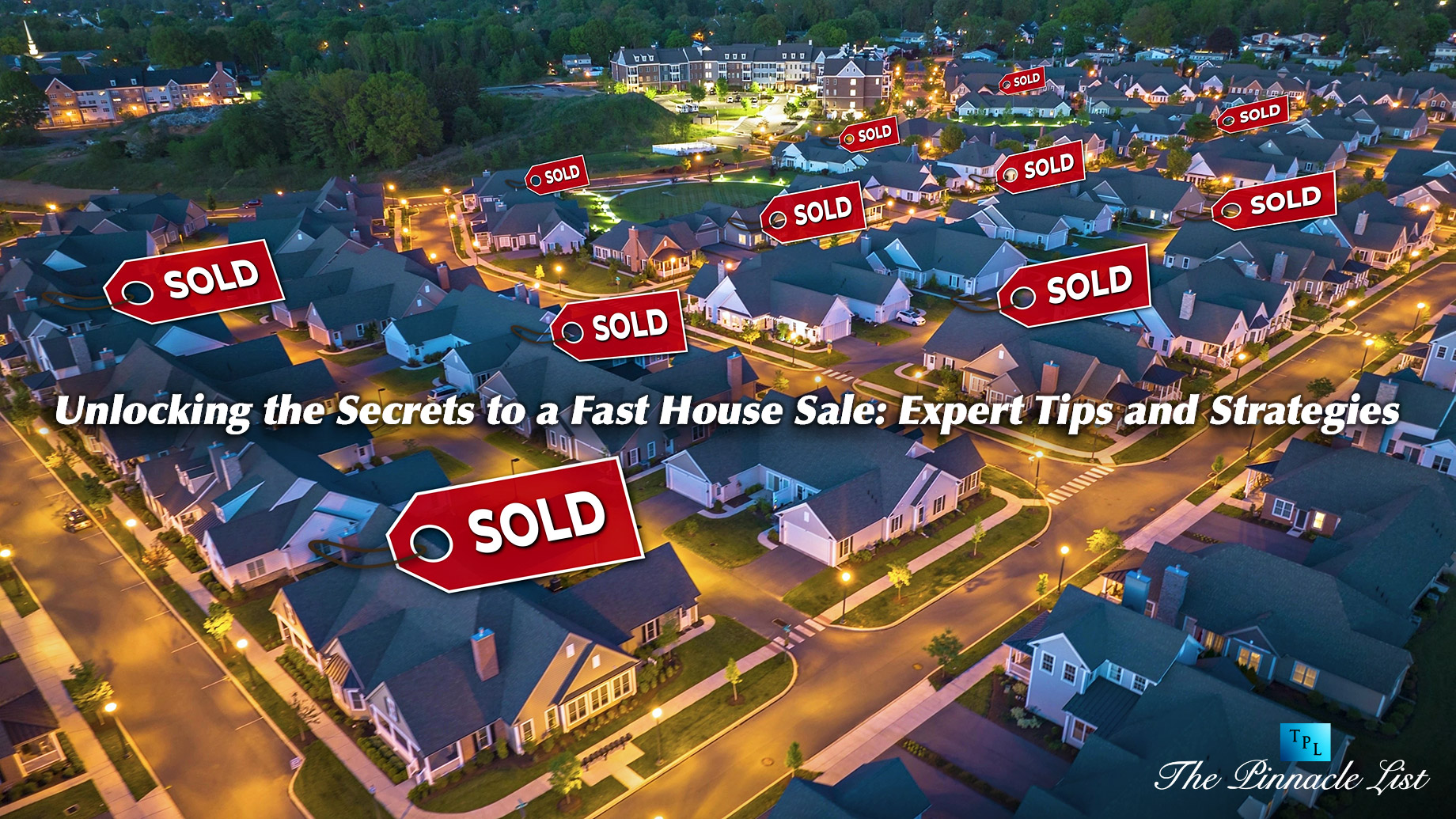
Setting the right price is both an art and a science, a strategic move that can make the difference between a slow crawl and a rapid sale. In this section, we unveil the secrets to pricing your home competitively without sacrificing value.
Understanding the dynamics of real estate pricing is crucial. It’s about striking a perfect balance between attracting buyers quickly and ensuring you achieve the best possible return on your investment. Let’s delve into the strategies that will help you master this balancing act.
Setting a Competitive Price
To set a competitive price, start by conducting a comparative market analysis. This involves looking at recent sales of similar properties in your area to understand the going rate. Take into account factors such as square footage, location, and unique features of your home. Keep in mind that buyers are often well-informed and will compare your pricing to others in the market, so staying competitive is key.
Techniques for Evaluating Market Prices
Accurate evaluation requires both research and expert advice. Consider hiring a professional appraiser to get an objective opinion on your property’s value. Additionally, online real estate platforms can offer insights into current market trends and pricing benchmarks. Staying informed about local market conditions will empower you to set a price that attracts buyers while maximizing your return.
Adjusting Pricing Strategy Based on Market Feedback
Once your home is on the market, feedback from potential buyers and agents can be invaluable. If your property isn’t receiving the expected interest, it might be time to reassess your pricing strategy.
“The market speaks, and savvy sellers listen.”
Adjustments might include offering incentives such as closing cost assistance or slight price reductions to reignite interest.
- Monitor listing views and inquiries
- Collect buyer and agent feedback
- Re-evaluate pricing at regular intervals
Designing a Pricing Model that Balances Speed and Profit
The ultimate goal is to create a pricing model that not only moves your home quickly but also maximizes your financial outcome. Consider adopting a tiered pricing strategy where you start slightly higher to test the market, then gradually adjust based on the interest level and feedback. This approach lets you remain flexible and responsive, ensuring you capture the best possible price in the shortest time.
| Strategy | Benefit |
|---|---|
| Initial High Price | Tests market willingness and potential for higher profit |
| Incremental Reductions | Maintains interest and adapts to market feedback |
| Incentive Offers | Entices buyers without a significant drop in list price |
Marketing Your Property Effectively
Welcome to the exciting phase of marketing your property, where strategic creativity meets real estate expertise. Thriving in a competitive market means making your home stand out in the eyes of potential buyers.
Understanding how to showcase your property through diverse marketing channels can speed up your sale and maximize your profit.
Unleashing the Power of Key Marketing Channels
To reach potential buyers quickly, it is crucial to leverage a variety of marketing channels. By tapping into both traditional and digital platforms, your property gains maximum exposure. Real estate websites, social media platforms, and email marketing are indispensable tools in today’s market.
- Real Estate Websites: Platforms like Zillow, Realtor.com, and Redfin offer extensive visibility.
- Social Media: Utilize Facebook and Instagram ads to target specific demographics.
- Email Marketing: Engage with potential buyers through well-crafted newsletters and updates.
Crafting Compelling Property Listings
A property listing is your first impression—make it count! Craft descriptions that highlight unique features of your home and create an emotional connection. A well-written listing paints a vivid picture in the reader’s mind.
Consider this example: “Step into a blend of timeless elegance and modern comfort in this charming 3-bedroom abode, nestled in the heart of a vibrant neighborhood. Sun-drenched rooms and a gourmet kitchen are just the beginning of what this home offers.”
Captivating Audiences with Virtual Tours and Videos
Incorporate virtual tours and videos to bring your property to life. They offer an immersive experience that static images simply can’t match. These tools allow potential buyers to explore your home from anywhere, at any time.
“A virtual tour can be the difference between a quick sale and a lingering listing.”
- 360-degree tours: Provide an interactive walkthrough of your home.
- Video storytelling: Use videos to narrate the journey through your property.
Organizing a Digital Marketing Plan
A well-structured digital marketing plan is key to reaching your target audience effectively. Here’s a simple blueprint to guide your strategy:
- Week 1-2: Set up professional photos and virtual tours.
- Week 3-4: Launch listings on major real estate websites.
- Week 5: Initiate targeted social media campaigns.
- Week 6: Follow up with email marketing to engaged prospects.
With these strategies, you pave a clear path toward a swift and successful home sale!
Negotiating and Closing the Sale
In the dynamic hustle of real estate, mastering the art of negotiation can be the key to unlocking a fast and profitable sale. As the final step looms, understanding the intricacies of closing becomes crucial.
From negotiation strategies to the closing process, each step is pivotal in not just selling quickly, but selling right. Let’s delve deep into the essential strategies and steps that will ensure you close the deal efficiently and effectively.
Mastering the Art of Negotiation
The negotiation phase can make or break your sale, and being prepared is half the battle. Equip yourself with market knowledge and comparable sales data to confidently discuss terms. Know what you’re willing to compromise on, whether it’s the price, closing date, or certain improvements to the home.
Anticipate buyer objections and prepare thoughtful counterarguments. For instance, if a buyer points out minor repairs needed, highlight the home’s strengths or consider offering a slight discount to cover their concerns. Remember, maintaining a calm and collaborative tone can help turn a tough negotiation into a win-win scenario.
Understanding the Closing Process
The closing process is often seen as a maze of paperwork and deadlines. It’s essential to have a clear timeline and checklist to keep everything on track. Typically, once a buyer makes an offer and you accept, the process might look like this:
- Buyer secures financing (if applicable) – usually within 30 days.
- Conduct home inspections – ideally within the first two weeks.
- Negotiate any repair requests – within one week of inspection results.
- Final walkthrough – a day or two before closing.
- Closing date – often about 30-45 days from contract acceptance.
Throughout this process, timely communication with all parties involved is key to preventing any delays that could jeopardize the sale.
Legal Considerations and Paperwork
Legalities and paperwork can be daunting, but they are crucial to a fast sale. Ensure that you have a real estate attorney or a title company to help navigate these waters. Key documents include:
- Purchase Agreement – artikels all terms of the sale.
- Title Deed – proof of legal ownership.
- Closing Statement – details all transactions related to the sale.
- Disclosure Statements – any known issues with the property.
Having these documents ready ahead of time can speed up the process and avoid unnecessary stress.
Common Negotiation Scenarios and Solutions
During negotiations, scenarios can arise that require deft handling. Consider these examples:
| Scenario | Solution |
|---|---|
| Buyer requests a lower price due to market conditions. | Provide recent comps that justify your pricing, and offer incentives like covering closing costs instead. |
| Buyer wants extensive repairs done before closing. | Negotiate a repair credit instead, allowing them to handle repairs post-sale. |
Effective negotiation is about finding a common ground that satisfies both parties, paving the way for a smooth closing.
Leveraging Professional Assistance
In the world of real estate, timing and strategy are everything. To sell your house fast while ensuring a good profit, professional assistance can be a game-changer.
From real estate agents who know the market inside out to online platforms offering innovative solutions, the right professional support can significantly speed up your selling process and maximize your returns.
The Role of Real Estate Agents in Expediting House Sales
Real estate agents are the seasoned allies you need when selling your house. They bring invaluable insights and skills to the table. With their network, market knowledge, and negotiation prowess, they can help you navigate the complexities of the real estate market with ease. Real estate agents not only assist in setting the right price but also in staging your home to appeal to potential buyers, ensuring your property gets the attention it deserves.
Traditional Agents vs. Online Platforms
Choosing between a traditional real estate agent and an online platform is a significant decision. Traditional agents provide a personalized touch and local market expertise, while online platforms offer convenience and a digital edge. Let’s explore how these options stack up against each other:
- Traditional agents offer face-to-face interactions and tailored advice, but might come with higher fees.
- Online platforms provide automation, ease of access, and often lower costs, but may lack the personal touch you need.
Benefits of Hiring a Property Manager or Consultant
Engaging a property manager or consultant can further streamline the selling process. These professionals specialize in handling the intricate details of property sales, from overseeing showings to managing paperwork. Their experience ensures that every aspect of the transaction is handled efficiently, freeing you up to focus on other priorities.
“A property manager or consultant acts as your advocate, ensuring a smooth and hassle-free sale.”
Comparing Fees, Services, and Results of Various Professionals
Understanding what each professional offers is crucial to making an informed decision. Here’s a comparative look at the fees, services, and expected results:
| Professional | Fees | Services Offered | Expected Results |
|---|---|---|---|
| Traditional Agent | 5-6% of sale price | Full service, including market analysis and negotiations | Personalized approach, potentially higher sale price |
| Online Platform | 2-3% of sale price | Listing services, digital marketing | Quick exposure, lower fees |
| Property Manager/Consultant | $1000-$3000 flat fee | Sale management, paperwork, showings | Efficient process, reduced stress for seller |
Last Word
With these expert strategies in hand, you’re now equipped to navigate the real estate market with confidence and creativity. As you venture into selling your home, remember that each step you take brings you closer to your goal. Whether it’s a swift negotiation or a strategic marketing plan, your dream sale is within reach. Embrace the journey, and watch as your “For Sale” sign becomes a “Sold” success story!

